Blackjack Surrender: The Move Most Players Never Make
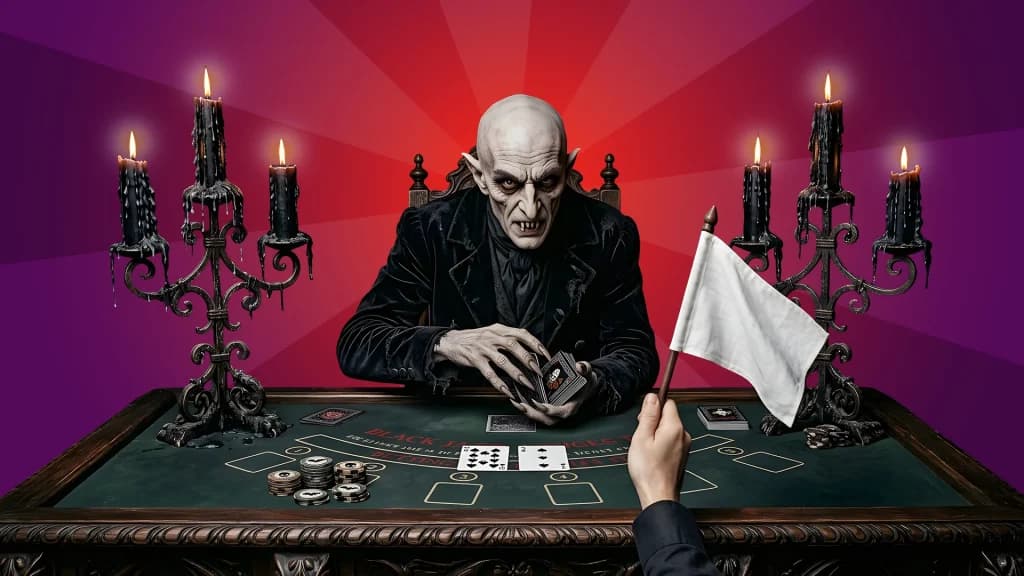
Every blackjack player knows the feeling. You look at your hard 16, glance at the dealer’s Ace, and realize you’ve wandered into a horror movie where the monster already knows your name. Hitting won’t help. Standing won’t help. There’s nowhere to run, Cindy. Maybe it’s time to raise the white flag. And you know what? That’s okay.
Because the above is exactly the situation blackjack surrender was made for. Instead of playing out a hand that’s unlikely to end well, surrender lets you hit the eject button, quit the round, and take back half of your original bet.
It sounds like a decent bail-out, and yet, most players never use surrender. Some don’t know it exists, while others assume giving up is always the wrong move. In reality, surrender is a tool that should be used at the right times. If you don’t, it could cost you more in the long run.
By the end of this guide, you’ll know exactly what surrender means in blackjack, the difference between early and late surrender, and, most importantly, when to wave the white flag and bow out.
What Surrender Actually Means in Blackjack
What does surrender mean in blackjack, exactly?
Blackjack surrender means you fold your starting hand. You give up half of your original bet, keep the other half, and sit out the rest of that round. You’re essentially cutting your losses.
The catch is that you can’t just use it any ol’ time. You must decide after receiving your first two cards and before taking any other action. Once you hit, stand, split, or double down, surrender is no longer an option.
If you’re still learning the basics, it’s worth brushing up on blackjack card values before tackling surrender strategy.
While it can be a viable option, surrender isn’t a magic wand that turns a terrible hand into a winning one. Knowing that, what is surrender in blackjack? It’s more like damage control.
It’s when you drop the freshly baked wedding cake, so you turn it into a rugged volcano lava cake that symbolizes the newlyweds’ overflowing love for one another. It’s not quite what you were going for, but at least you got something.
If you’ve never seen surrender offered before, that could be because it’s not obvious at many tables, and sometimes not available at all. It’s often buried in the rules or not posted.
Plus, let’s be honest. The name doesn’t help, either. “Surrender” has terrible PR. It makes it sound like you’re a quitter. It might’ve been a more popular move if it was called “Capital Preservation.”
Because in reality, surrender in blackjack is just another strategic decision, and sometimes a smart one, at that.
Early Surrender vs. Late Surrender
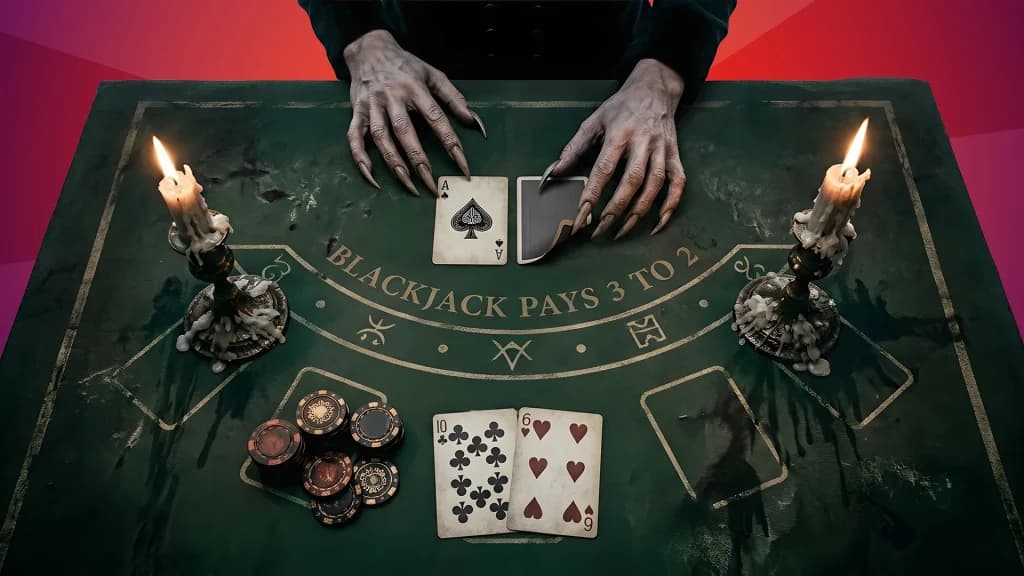
Watch out—curveball, comin’ atcha.
Surrender doesn’t work the same every time. There are two versions: early surrender and late surrender. The difference is whether or not the dealer has checked for blackjack.
With early surrender, you can give up your hand before the dealer checks for blackjack. If the dealer happens to have a natural blackjack, you still receive half of your original bet back because you surrendered first.
In late surrender, the dealer checks for blackjack before you make your decision. If the dealer has blackjack, the hand ends immediately, and you lose your full bet. You are only given the option to surrender if the dealer does not have blackjack.
If you play blackjack today, you’re overwhelmingly more likely to encounter late surrender. Early surrender is extremely rare because it’s a super player-friendly rule, so most operators booted it from their games.
Let’s look at an example.
Imagine you’re dealt 16 against the dealer’s Ace.
Under early surrender in blackjack, you choose to surrender and nope outta there before the dealer checks underneath the Ace. If the dealer reveals a blackjack, you still get half your bet back because your decision came first.
Under late surrender, the dealer checks first. If that Ace is backed up by a 10-value card, the round ends immediately, and your entire bet is gone. If the dealer doesn’t have blackjack, you’re then allowed to surrender and recover half your wager instead of playing out a hand that’s likely to lose.
The table below shows the difference between early and late surrender in blackjack.
| Early Surrender | Late Surrender | |
| When the decision is made | Before the dealer checks | After the dealer checks |
| Dealer blackjack check | After surrender | Before surrender |
| What happens if the dealer has blackjack | Keep half the bet | Lose the full bet |
| Effect on house edge | Lower | Higher |
| How often it is offered | Very rare | Common |
| What it means for the player | Best possible surrender rule | The version you’ll usually find |
When to Surrender: Every Hand and Upcard
The rule behind every surrender decision is as follows: surrender only when playing the hand is expected to cost more than half your original bet.
Use the table below as your quick-reference guide for when to surrender in blackjack.
| Hand | Dealer 9 | Dealer 10 | Dealer Ace |
| Hard 17 | — | — | Early only |
| Hard 16 (not a pair of 8s) | — | Late & Early | Late & Early |
| Hard 15 | — | Late & Early | Early only |
| Hard 14 | — | — | Early only |
| Hard 12–13 | — | — | Early only |
| Hard 5–7 | — | — | Early only |
| Pair of 8s | Never (split) | Early only | Early only |
You’ll notice that the most dangerous situation is a weak hand against a dealer’s 10 and Ace. But even then, you’d only late surrender in blackjack on three occasions.
The two hands you’ll see most often are hard 16 and hard 15 against a dealer’s 10 and Ace; the classic offenders. These hands are so weak that they’re more likely to lose your full bet than justify playing them out, which is why blackjack basic strategy says to surrender.
If you think surrendering is a given on hard 12 and 13, you wouldn’t be alone; it’s a common assumption. But although they’re weak, those hands still perform well enough to keep playing in most cases.
Also, notice how short the surrender list is. That’s by design. Surrender is a rarely used precision tool for a small number of truly miserable starting hands. No need to get flap-happy with the white flag.
Memorize the most common moves, which are all according to late surrender:
- Surrender a hard 16 against a dealer 10 and Ace
- Surrender a hard 15 against a dealer’s 10
- Always split a pair of 8s
Play every other hand normally, including hard 12 and 13. If early surrender is available, consult the chart. You got this.
What Surrender Does to the House Edge
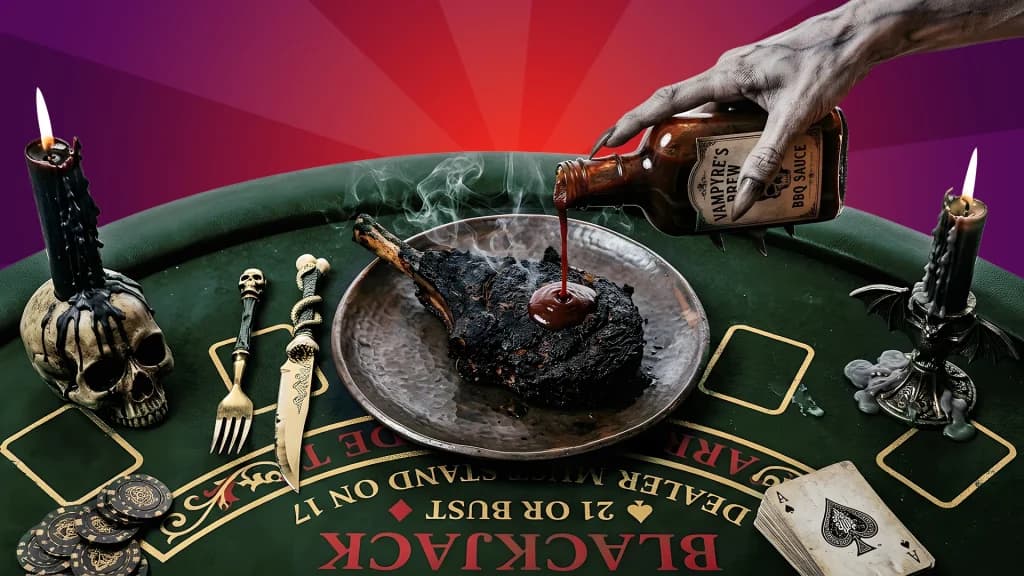
When used correctly, selective surrendering works in your favor. But it’s not a full-on tilt; more like a polite nudge. The improvement is real, but it’s small. In other words, don’t expect the BBQ sauce to save the burnt steak; ya know?
With late surrender, basic strategy reduces the house edge by about 0.07%-0.08%.
Early surrender reduces the house edge even further comapred to its late counterpart, but we’re talking about fractions of a percentage here.
It’s undoubtedly a bigger advantage to have the option to surrender before the dealer checks for blackjack, since you can recover half your bet even when the dealer has the best possible hand. (You can see why most casinos don’t offer it).
But let’s be real. A fraction of a percent won’t transform a single Saturday night session. You’d really only worry about it if you’re playing for thousands of hands, which is why basic strategy still considers these moves. And mind you, that includes when you should surrender and when you shouldn’t.
Even with perfect surrender decisions, the house still holds the edge. Blackjack is one of the most player-friendly casino games, but it’s still a game of chance. Play for entertainment, stick to a budget you’re comfortable losing, and learn more about responsible gaming at ncpgambling.org.
How to Surrender at the Table and Online
Now that you know the ins and outs of whether or not you should surrender, how do you actually do it when the time comes?
If you’re playing in person, first ask whether they offer surrender, and if they do, whether it’s early or late. Then, you can just say, “Surrender,” but do it before you touch your cards or chips.
You could also use the hand signal for surrender, which is to use your index finger to draw a horizontal line behind your chips, like drawing a line in the sand. Hand signals can vary by casino, though, so saying the word out loud is the safest way to avoid confusion.
What we would certainly not recommend is playing a bugle call on your phone while retreating from the felt with your hands raised in defeat. That’s generally unnecessary, and dare we even say uncalled for.
It’s much easier when you play online blackjack. If the game offers surrender, you’ll see a ‘Surrender’ button alongside your other playing options. It only appears on your very first decision. Once you hit, stand, split, or take any other action, the button disappears because you can no longer take surrender.
Should You Use Surrender?
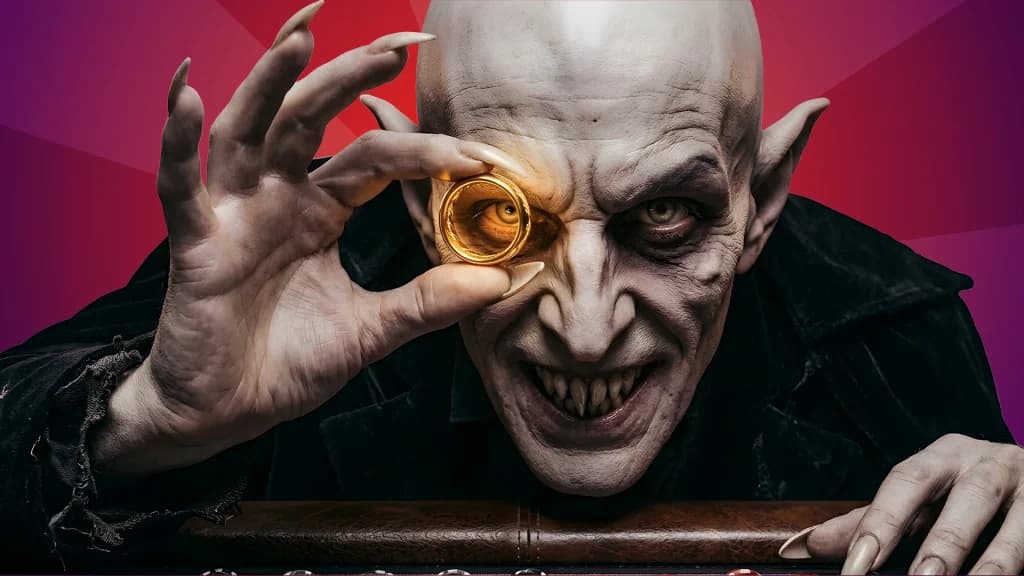
Yes, when the situation calls for it. Surrender isn’t giving up. You’re not offering the ring to Sauron. It’s a strategic decision to cut your losses and save more money over time.
The good news is that surrendering isn’t a commonly recommended move, so you won’t have to memorize complicated scenarios. Late surrender is almost always your only available option, so just remember to surrender a hard 16 against a dealer’s 10 or Ace, and a hard 15 against a dealer’s 10. That’s it.
If early surrender is an option, whip out the chart on this page. Still, it’ll only be a few key situations, mainly against a dealer’s Ace.
The next time you play blackjack games online, check whether surrender is available before you place your first bet. If the right hand comes along, you’ll know what to do.
FAQs
What is surrender in blackjack?
Surrender lets you fold your starting hand, forfeit half your original bet, and keep the other half. You can only do it after receiving your first two cards and before taking any other action on the hand.
What does it mean to surrender in blackjack?
Surrender means you’re choosing to cut your losses rather than play out a hand that’s unlikely to win. You give up the hand immediately, recover half your original bet, and sit out the rest of that round.
When should you surrender in blackjack?
Under late surrender, surrender a hard 16 against a dealer’s 10 or Ace, and a hard 15 against a dealer’s 10. Early surrender introduces a few additional situations, as shown in the strategy table above.
What is the difference between early and late surrender?
Early surrender lets you give up your hand before the dealer checks for blackjack. Late surrender is only available after the dealer checks. Early surrender is much more player-friendly, so you’ll mostly find late surrender available at casinos.
Can you surrender in blackjack after hitting?
No. Surrender is available only on your first two cards before you make any other move.
Does every blackjack game offer surrender?
No. Surrender is an optional rule that varies by casino, table, and online game. Check the table rules or ask the dealer before you place your first bet, including whether it’s late or early surrender.
Should you ever surrender a pair of 8s?
Surrender a pair of 8s only when early surrender is available, and the dealer shows a 10 or Ace. Otherwise, never surrender eights; split instead.
More Blackjack Tips
August 13, 2026
When to Double Down in Blackjack: The Hands Worth Twice Your Bet
Doubling down in blackjack means you double your original bet, take exactly one card, and stand. Learn when to use it to lower the house edge to rock bottom.
August 4, 2026
What Does ‘Monkey’ Mean in Blackjack? The Table Slang Explained
“Monkey” actually means something in blackjack…but what? Learn about this slang term and whether you should be shouting ‘MONKEY!’ at your next game.

August 4, 2026
Types of Blackjack, Every Variation Explained
Classic blackjack is only the beginning. Learn about different variations and discover which has the best rules, the highest odds, and is the easiest to win.

August 6, 2025
Your Playbook for a Soft 19 In Blackjack
A soft 19 in blackjack is already good, but it can be even better if you follow the proper strategy. Learn the right move for all types of blackjack.