What is even money in blackjack? A Bet You Should Skip
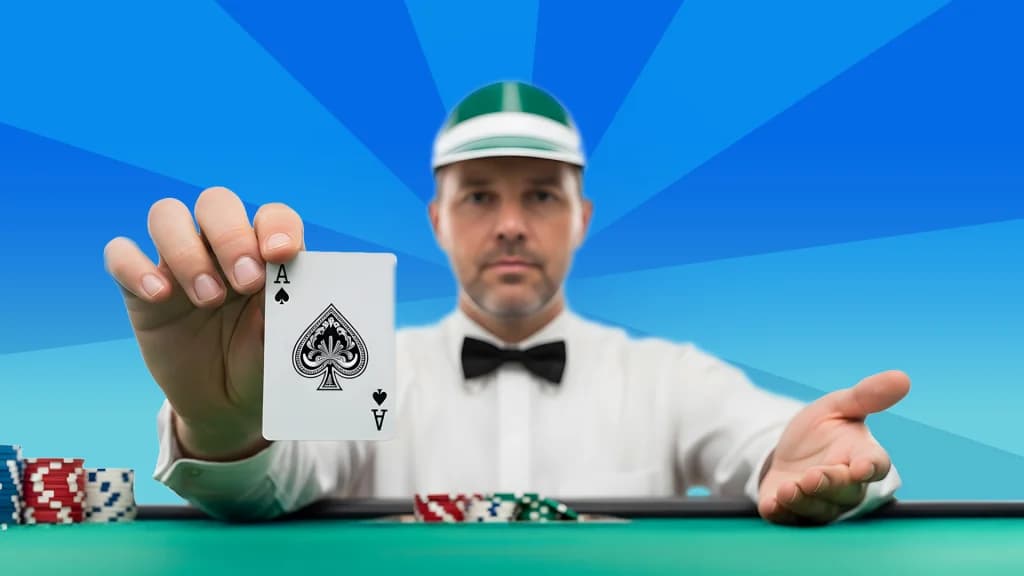
You’re sitting at the table, moisturized, feeling good, and then it happens. You hit blackjack. An easy win. But then the dealer flips an ace, threatening your 3:2 payout if he also has blackjack, and he casually asks, “Even money?”
Now you have a decision to make. Do you forfeit the potential 3:2 payout for 1:1 on the spot? Maybe. But before you say ‘yes’, there are some tradeoffs you should consider.
And that, Cafe Casino guests, is what we are talking about today: what to do with even money blackjack. (SPOILER: don’t take it.)
Risk Analysis Of The Even Money Bet
Let’s slow this down for a second. When the dealer flips an ace, your initial “easy win” of blackjack isn’t so cut and dry.
When the dealer offers even money, they’re handing you a shortcut. You skip the suspense of will-they-won’t-they, take your 1:1 payout, and move on. You also avoid a push and the chance of winning nothing. Seems like a fair middle ground, right? But here’s what’s happening under the hood.
Blackjack even money is just insurance in disguise. And what do we say about insurance? Say it with us now: never take insurance. Nailed it.
When you take even money, you’re betting that the dealer has blackjack. But guess what? Mathematically, that only happens about 30% of the time. The other ~70% of the time, they don’t, which means you’re happily handing over your full, rightfully earned 3:2 payout.
Plus, you have to ask yourself. Why would this casino offer me 1:1 on the spot? Is it because they love me? Is it because I just got my haircut? Nope and nope. It’s because they know the stats, and that you accepting 1:1 is free money for them most of the time.
Should you take the even money bet?
Cards on the table. Should you take the even-money blackjack bet or not? In most cases, the answer is no.
It feels safe, and sure, it locks in a win. But imagine if the dealer doesn’t have blackjack (which happens more often than not). You just gave up a ripe 3:2 payout for no reason. That’s like buying a deal at the grocery store that says, “Two steaks for the price of three.” Hey, wait a gosh darn second…
It sounds like a bargain, but it doesn’t serve you.
The only time even money makes sense is if you’re counting cards, and you know the deck is stacked with ten-value cards. Otherwise, stand down, Big Guy. The worst that could happen is you push and receive your bet back. No biggie.
Advantages of Even Money
Now, after throwing shade at blackjack even money, we’re going to tone it down and admit that if you squint your eyes, there could be some advantages to using it.
Immediate Payout
Instead of having a staredown with the dealer and a slow, dramatic reveal, you take the 1:1 payout and move on with your life. Your therapist would be proud.
A quick payout like that is appealing, especially if you’ve ever spent an hour on hold with your phone company. An instant resolution starts lookin’ reeeaal nice.
Mitigates Risk
Every move in blackjack is a risk. We don’t know which card is face down, and that’s the point. Taking even money in blackjack trims the uncertainty. Instead of waiting to see if the dealer flips a monkey (that means a ten, we swear we didn’t make that up) and steals your win, you lock in a guaranteed payout on the spot.
It can also help if you’re playing with a strict bankroll or don’t feel like sweating the outcome. Maybe you’ve had enough stress for the day—rush hour traffic’ll do that to ya. You take what’s in front of you and keep your life simple. We respect that.
But remember: You’re not avoiding a loss. You’re avoiding a push. No matter what happens, you won’t lose your bet. All you’re doing is forfeiting your chance to win more.
Disadvantages of Even Money
Ah, now this is where we have a word or two. Although we’ve already harped about the disadvantages, we’ll spell them out a bit more clearly for those in the back.
Lower Payout
This is the biggest reason not to take blackjack even money. When you do, you’re trading the standard blackjack payout of 3:2 for a flat 1:1. Let’s put that in numbers.
Say you bet $10:
- With a normal blackjack, you win $15
- With even money, you only win $10
Right away, you’re leaving $5 on the table simply for accepting even money.
At that point, it doesn’t matter a smidge what the dealer’s hidden card shows. When the dealer flips the card, the only effect it’ll have on you now is kicking your foot into your own behind if the dealer doesn’t have blackjack, because you’ll realize you just lost five bucks.
Poor Strategy In The Long Run
Even money might feel like a safe decision in the moment, but it works against you over time. Remember, the dealer will likely not have blackjack roughly 70% of the time. If you give up the extra value on one hand, no big deal. But stack that decision across dozens or hundreds of hands, and “just five bucks” isn’t so dismissive anymore.
Even Money vs. Insurance
Let’s clear this up, because these two get treated like distant cousins when they’re actually one person wearing a different outfit.
Even money is insurance. There, we said it! Now take that silly tophat off, Even Money. No one’s buying it.
When the dealer shows an ace, you’re normally offered insurance. That’s a side bet that pays 2:1 if the dealer has blackjack. If you already have blackjack, the casino packages it under “even money.”
See for yourself how they compare:
- Insurance: Bet half your stake. If the dealer has blackjack, it pays 2:1 and offsets your push.
- Even money: Skip the side bet, just take a flat 1:1 payout immediately.
It’s the same outcome:
- Dealer has blackjack → you end up with 1:1 total
- Dealer doesn’t → you take the smaller payout
Wait a minute. I’m starting to think even money in blackjack is just insurance with a fake mustache on. Exactly. Now you’ve got it.
Is it worth it? It’s Your Play
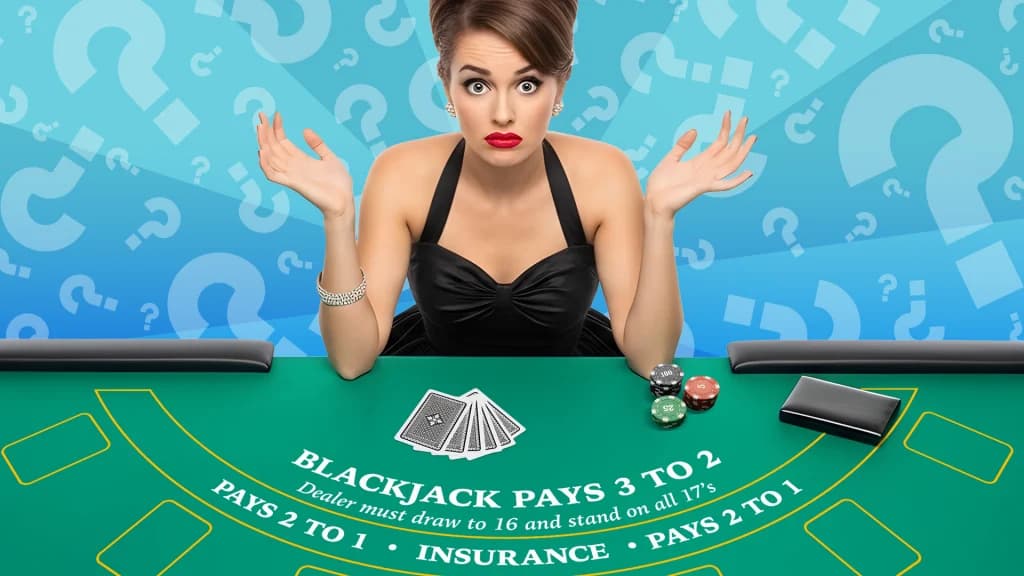
It would be pretty rich of us to say that blackjack even money is worth it after dogging it for two pages. So we’ll stick to our guns and say no, it is not worth it. That said, at the end of the day, it’s your hand, your chips, and thus, your call.
If you feel safer locking in a guaranteed win, even money does exactly that. You take your payout and move on.
But if you care about squeezing the most out of your blackjack, you’ll want to pass. That 3:2 payout exists for a reason, and giving it up too often stings.
Let’s review. What is even money in blackjack? It’s insurance in disguise, and generally speaking, it’s not a good idea. Instead of making this unreliable side bet, focus on playing optimal strategy, and over time, you’re bound to win more. Since you’re already here, fire up blackjack and give it a shot—but say no to even money. Not even once.