Pro roulette players: do they exist?
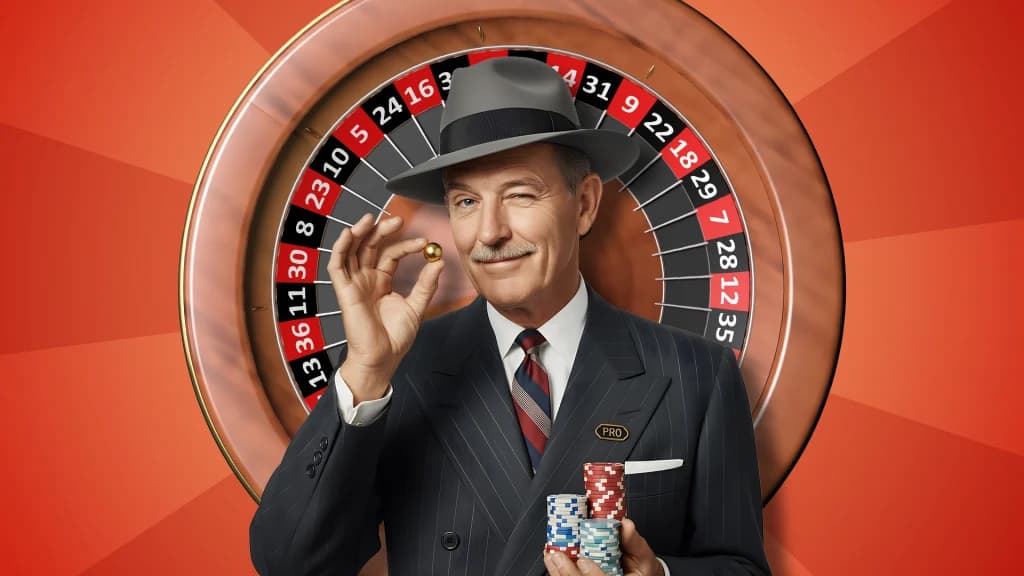
There are pro poker players, pro power walkers, and pro cup stackers. Surely, there must be pro roulette players, too. Tell us, Cafe Casino, is it a thing?
The truth is…not really. Yes, there have been players who have won millions. But those cases were usually due to wheel biases, a one-off lucky hit, or other, less-than-legal means. No one has ever turned roulette into a reliable career.
Still, if pro roulette players did exist, they would be the historical big winners that we’re showing you today.
Does anyone make a living playing roulette?
Roulette is not a game of skill, unlike poker or blackjack. It’s purely luck-based. Sure, you can pocket incredible wins in the short term, but over time, the house edge will always get its share. Not even the “pros” can prevent that.
As you’re about to see, no one in history has been able to reliably win at roulette without a little “help.” For one, being born in the 18 or 1900s was a big advantage, as casinos hadn’t figured out wheel bias yet.
Another would be having highly developed tech skills and important partnerships. Balls of steel have also played a role, and we’re not referring to the roulette ball. Cheating is also a method, but chances are you’d end up in the slammer next to one player on this list.
By far, the most popular way to deem yourself a “professional” roulette player is to study a biased wheel.
How Wheel Bias Has Been Used To Players’ Advantage

No one’s perfect, that’s a given. Except for Dolly Parton. And guess what? Neither is a roulette wheel. Sometimes, a bias creeps in.
“Wheel bias” is when a roulette wheel develops small physical imperfections, like uneven wear, a slightly tilted axis, or differences in frets. These flaws can cause the ball to land in certain sections more often than pure randomness would suggest. It often begs the question of whether roulette is rigged.
Casinos work hard to prevent this, but back in the day, they didn’t know they had to. Players throughout history have taken advantage of these patterns and, well, made history.
Some of the most well-known examples come from teams that tracked thousands of spins, recording outcomes and identifying sections of the wheel that appeared more frequently. Once they identified a bias, they focused their bets on those areas rather than spreading them randomly or using a roulette strategy.
Many of these success stories took place decades ago, and casinos have wised up. They regularly inspect and rotate wheels, making bias harder to exploit. Still, some players managed to edge their skills in before Big Roulette swooped in and made it impossible.
Carol Jarecki
Carol Jarecki was born in New Jersey in 1935. She was a Jane of all trades, having worked as a nurse, a pilot, and an international chess arbiter, making roulette a natural addition to her repertoire.
Throughout her roulette spree, alongside her husband, Richard Jarecki, Carol won over $1.2 million dollars in the 1970s, which would equate to nearly $10 million today.
Her success wasn’t based on luck or some wild strategy we’ve been hiding from you (not a chance—we happily share all of our top roulette strategies). She earned her profits by exploiting wheel bias, observing and identifying the most frequent winning numbers.
Casinos got wind of her moves and quickly took countermeasures, making her method nearly impossible to pull off these days.
Even so, her run remains one of the clearest examples of a player gaining an edge in roulette.
Pedro Grendene Bartelle

Not every roulette story comes from years of grinding at the table. Sometimes, it’s one perfectly timed moment, and that’s exactly what happened with Pedro Grendene Bartelle.
As a Brazilian billionaire and co-founder of footwear manufacturer Grendene, Bartelle was no stranger to money. He was well acquainted with it long before he ever touched a roulette chip.
But on January 3, 2017, while playing at the Conrad Hotel in Punta del Este, he made a move most players only joke about. He placed $35,000 straight on the number 32. He didn’t even use the Andrucci strategy—just slapped it on there and hoped for the best.
And it hit. Bartelle topped off his bank account with a cool $1.2 mil. What’s the path to becoming a roulette millionaire? Step one: be a billionaire.
Joseph Jagger
Before Carol Jarecki was born, in the mid-1800s, across the Atlantic, UK-native Joseph Jagger was operating machines in the textile industry. His experience sharpened his eye for noticing what most people wouldn’t think twice about. Well, back in those days, anyway. Jagger noticed that roulette wheels aren’t perfectly balanced. Nowadays, we know that as ‘wheel bias,’ but at the time, it was revolutionary.
Jagger thought, “By Jove! I’m on to something,” and headed to Monte Carlo with a plan. He tracked the wheel and used its bias to place bets. Over just three days, he pulled in more than $120,000, which would be roughly $6 million today.
But before you try to pull a Joseph, remember that nowadays casinos are privy to the old tricks, and they have tighter regulations and controls that make the moves like Jagger nearly impossible (sorry, Adam Levine).
Edward Thorp
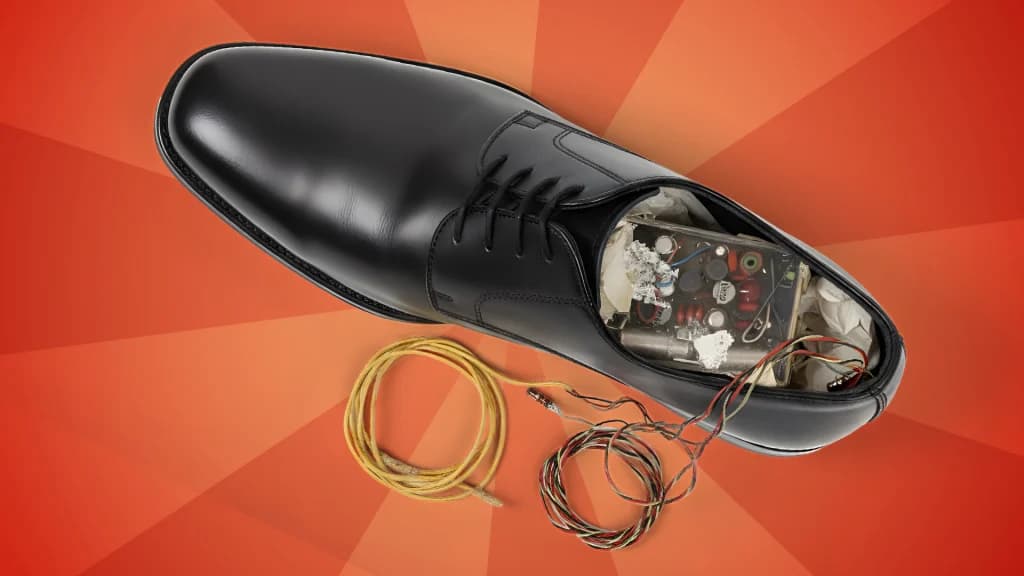
Edward Thorp already had a track record of, ehm… P.O.-ing casinos in the 1960s. He was a math professor who wrote a book teaching players how to beat blackjack using probability, forcing many casinos to alter their regulations.
As for his roulette strategy, Thorp didn’t bother hunting for biased wheels like others. Instead, he teamed up with MIT professor Claude Shannon (those math whizzes at MIT really love to pull fast ones on the casino, don’t they?) to build a wearable computer. It predicted where the ball would land, reportedly handing Thorp and his team an edge of around 44%.
Gonzalo García Pelayo
Before any casino headlines, Gonzalo Garcia Pelayo built a name in Spain through music and film. But in the 1990s, this Andalusian rock star shifted his focus to roulette, bringing his family with him.
As many of his successors, Pelayo and his son, Iván, tracked results on biased wheels. Between 1991 and 1995, he reportedly won around $2 million.
Casinos didn’t take long to respond. His name spread quickly, but, as expected, so did the bans. Pelayo was no longer welcome in any Spanish casino.
Charles Wells
What if your nickname was “The Man Who Broke the Bank at Monte Carlo”? Pretty cool Instagram handle, right? Now try saying that from jail. Because that’s where this guy ended up.
Charles Wells started off on a respectable path as an engineer, even selling a patent. But when he moved to Paris, his name became infamous with Ponzi schemes.
In 1891 at Monte Carlo, Wells hit a roulette run so big that the table ran out of cash. Nobody really knows how he pulled it off.
He didn’t have a clear system or edge, but after he won the money, he got caught for fraud and served time in prison. It’s safe to assume that whatever he did, you wouldn’t want to repeat it.
Do these strategies work in online roulette?
Essentially, everyone who consistently won big in roulette throughout the years did so by either wheel bias, blind luck, or dubious, illegal-leaning means. There was never any strategy or reliable betting system that made a player the Phil Ivey of roulette.
So, no, it’s not possible to use any of these “strategies” in online roulette. However, there’s an entire arsenal of tested, legitimate roulette strategies you can use to improve your returns, including proper bankroll management and roulette strategies for a smaller bankroll.
Our Verdict: Play For a Bit of Fun, Not For a Career
Roulette is a blast, and that’s pretty much where it ends. As much as we love it, it’s not the type of game that can reliably turn you into a pro. But right this second, there’s nothing that’s stopping you from logging into Cafe Casino, firing up an online roulette game, and shooting for your hyper-lucky Bartelle moment.