Dark Side Craps Strategy: Betting Against the Shooter for Better Odds
While most of the table is hollering for the point, cheering the shooter on, and ordering another round in celebration, a quiet group of players in the corner is doing something different. They’re waiting for the seven. Calmly. With better odds.
That’s the dark side of craps. Betting against the shooter, backing the seven-out instead of the point, earns you a lower house edge than the popular pass-line play. It’s the contrarian move, the wrong-side bet, the one that gets you the sideways glance from the guy three spots down. It’s also quietly one of the smarter bets on the table.
This guide covers the two core dark side bets, don’t pass and don’t come, how to add lay odds to drive the edge down further, and what to expect when you start betting against the crowd.
What Is the Dark Side in Craps?
Dark side betting, also called “wrong side” betting, means wagering that the shooter will seven out before making their point. Instead of cheering for the point number to hit, you’re quietly backing the seven.
It feels controversial because craps plays like a team sport. The table rallies around the shooter; everyone on the pass line wins together. When you bet the don’t side, you’re technically on the opposite end of that dynamic, and the table knows it.
Here’s the thing though: everyone at the table is playing against the house. Don’t pass bettors aren’t taking money from the shooter or anyone else at the table, they’re just betting a different outcome of the same dice roll. The competitive tension is real-feeling but entirely social.
The practical reason to play dark side is simple: the house edge on the don’t pass line is 1.36%, compared to 1.41% on the pass line. Small difference in isolation, but add lay odds and that gap widens considerably. For the full picture on craps bets, see the complete guide.
How Dark Side Betting Works: Don’t Pass and Don’t Come

The don’t pass bet is placed on the don’t pass bar before the come-out roll, the first roll of a new round. Here’s what the come-out roll means for you as a don’t pass bettor:
- 2 or 3: Win, the shooter craps out, you collect.
- 7 or 11: Lose, the shooter opens hot, you give it back.
- 12: Push, the bar 12 rule means this roll is a standoff. You get your bet back, no winner, no loser. (This is how the casino maintains its edge on the don’t side despite the math being almost even.)
- Any other number (4, 5, 6, 8, 9, 10): The point is set. Now you need the seven to appear before the shooter repeats that number.
Once the point is set, the dynamic flips. The seven, which was your enemy on the come-out roll, becomes your best friend. Every roll that isn’t the point number or a seven is neutral. When the seven shows before the point: you win.
The don’t come bet works like a don’t pass bet but placed after the point is already set. It follows the same come-out logic (win on 2 or 3, lose on 7 or 11, push on 12) and then tracks its own point number once one is established.
Stacking don’t come bets lets you cover multiple numbers at once. Place a don’t come bet and a number gets established, say 6. Place another and a second number appears, maybe 9. Now you’re rooting for the seven to arrive before either of those numbers repeats. Two personal points running simultaneously, both on your side of the bet.
A Dark Side Bet in Action
You place $20 on the don’t pass bar before the come-out roll. The shooter rolls a 5. The point is set at 5.
Your position: you need a seven to appear before another 5. Three ways to roll a 5, six ways to roll a 7. The odds favor you from here.
- The shooter rolls 4, 8, 3, no 5, no 7. Neutral rolls. Your $20 stays.
- The shooter rolls a 7. You win. Collect your $20 profit.
Meanwhile, you’ve also placed a $20 don’t come bet. A 9 gets established as your don’t come point. Now two numbers, 5 and 9, need to show before the seven for you to lose either bet.
- Win scenario: Seven comes before either 5 or 9 hits. You win both bets.
- Partial loss: 5 hits first. You lose the don’t pass bet but still have the don’t come on 9.
The rhythm of the dark side is steadier than the pass line. Wins tend to be smaller and more regular, rather than the feast-or-famine swings of pass-line betting through a hot shooter’s run.
Lowering the House Edge with Lay Odds
Lay odds are additional bets placed behind your don’t pass or don’t come wagers once the point is set. They back the seven to appear before the point, with no house edge attached, the payout is fair odds for the actual probability.
Because lay odds pay true odds, the casino doesn’t have an edge on that portion of your wager. The practical effect: the more you weight your total bet toward the odds rather than the flat bet, the lower your combined house edge becomes.
The headline example: a $5 don’t pass flat bet combined with $25 in lay odds produces a combined house edge of around 0.7%. That’s one of the best deals at the entire craps table.
| Point Number | Lay Odds (Pay : Win) | What It Means for the Bettor |
| 4 or 10 | 1:2, bet $20 to win $10 | Six ways to roll 7 vs three ways to roll the point; higher odds bet required |
| 5 or 9 | 2:3, bet $30 to win $20 | Six ways to roll 7 vs four ways to roll the point |
| 6 or 8 | 5:6, bet $60 to win $50 | Six ways to roll 7 vs five ways to roll the point; smallest odds bet needed |
Note that some casinos charge a commission (“vig”) on lay bets, typically 5%. Always check the table rules before placing lay odds, the commission affects whether loading up on odds makes financial sense at that specific table.
Pros and Cons of Playing the Dark Side
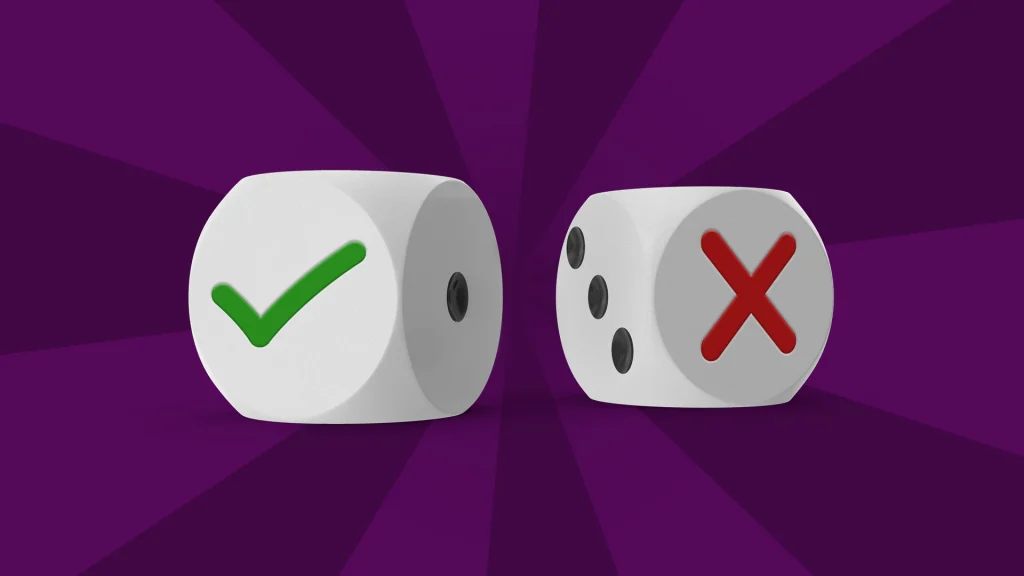
The upside: You get one of the lowest house edges at the craps table, especially once lay odds are added. The don’t pass line alone sits at 1.36%. Add meaningful odds behind it and that drops below 1%. That’s the math case for the dark side in plain terms.
The social side: Betting against the table draws attention. When the shooter sevens out and you’re collecting while everyone else is groaning, the room knows you were on the wrong side. Most players treat it as harmless banter. A few take it personally. Reading the table before committing to multiple don’t come stacks is a useful habit.
The honest caveat: Lower edge is not a win guarantee. Losing sessions happen on the dark side just as they do on the pass line. The edge reduction is measured over thousands of rolls, any individual session can go either way. Play the dark side because the math is on your side, not because you think it’s a shortcut to profit.
Smart Dark Side Betting Tips
- Keep the flat bet small. The flat portion of the bet is where the house edge lives. The odds portion carries no edge. Maximize odds, minimize the flat, a $5 don’t pass backed with $25 in lay odds works better than a $30 don’t pass with no odds.
- Use don’t come bets to control multiple points. Once you’re comfortable, stacking don’t comes lets you cover several numbers without needing huge bets on each.
- Always check the table commission rules before placing lay bets. Some casinos charge 5% on the win amount; others charge on the bet. The difference affects your effective odds.
- Practice online first. The social pressure is real at a live table. Online craps lets you learn the dark side mechanics at your own pace without any sideways looks.
Play with money you’re comfortable losing, set a session budget before you start, and stick to it. Gambling should be fun.
Ready to Roll the Dark Side
The case for the dark side is simple: a lower house edge, a two-bet system that’s easy to learn, and steadier, smaller wins that can stretch a session further than the swings of pass-line betting through a shooter’s run.
Test it in practice mode first, learn to play craps online without the table pressure. When you’re ready for the real thing, play craps for real money at Cafe Casino. The seven is already on its way.
FAQs
What does playing the dark side mean in craps?
Playing the dark side means betting that the shooter won’t make their point, specifically, that a seven will appear first. Also called “wrong side” betting, it’s the mirror image of the popular pass-line strategy.
Does the dark side really have better odds than betting with the shooter?
Yes. The don’t pass line carries a 1.36% house edge versus 1.41% on the pass line. Add lay odds behind the don’t pass and that combined edge drops toward 0.7%, one of the best bets available at the table. That said, better odds aren’t a guarantee of winning any particular session.
What’s the difference between a don’t pass and a don’t come bet?
Timing. The don’t pass bet is placed before the come-out roll, the very start of a round. The don’t come bet is placed after the come-out roll once a point is already set. Both work on the same principle: win if the seven appears before the designated number.
What are lay odds, and why do they lower the house edge?
Lay odds are extra bets placed behind your don’t pass or don’t come wager after the point is set. They pay at true odds with no house edge attached, the casino isn’t taking a cut on that portion of the bet. Shifting more of your total wager into the odds portion reduces the combined edge dramatically.
Why do other players dislike dark side bettors?
Craps runs on collective energy, the table rallies behind the shooter and wins together on the pass line. When a seven wipes the table out, dark side bettors are the ones collecting. The ribbing is almost always good-natured. It helps to remember that everyone is playing against the house, not each other.
Is the dark side better for playing craps online?
Yes, in a practical sense. Online craps removes the social dimension entirely, no table energy, no sideways glances, no pressure to cheer along. It’s ideal for learning the don’t side mechanics and getting comfortable with lay odds before trying it at a live table.
Play responsibly. If gambling stops being fun, contact the National Problem Gambling Helpline at 1-800-522-4700 or visit ncpgambling.org.
More Craps Strategies
May 28, 2026
Lays Your Chips With the Craps Lay Bet
A lay bet in craps is when you bet that a 7 will roll before your chosen number. It has good sides and bad sides. Learn them all here.
July 15, 2026
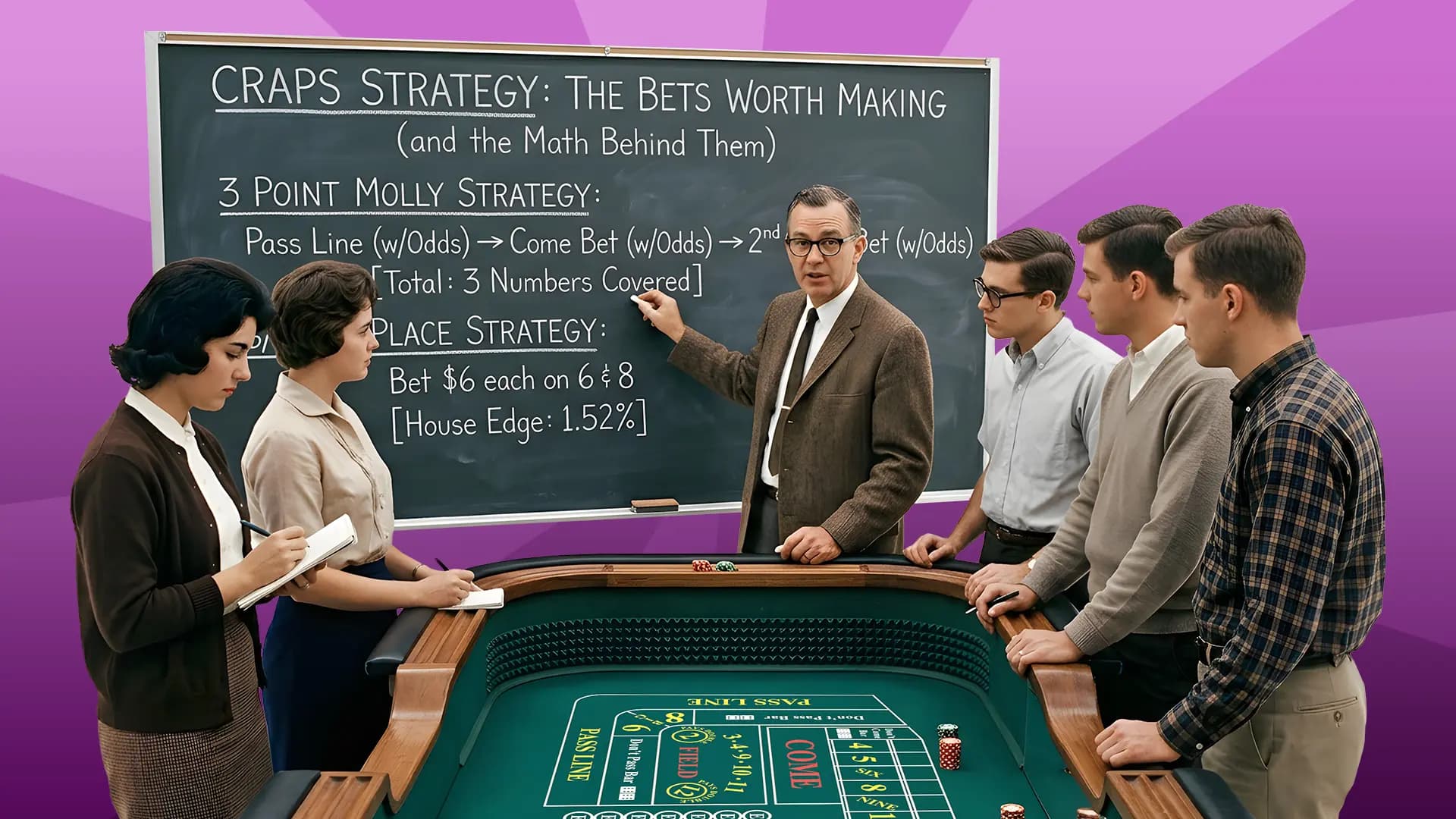
Craps Strategy: The Bets Worth Making
The Pass Line with odds, the 3 Point Molly, and 6/8 place bets are mathematically the best craps strategies. Learn their odds and how to use them.
April 22, 2026
What is the 6 8 strategy in craps?
The 6 and 8 are the second-most frequent outcomes in craps. The 6-8 strategy takes advantage of these odds. Learn how to use it and how not to use it.

March 20, 2026
Three Point Molly in Craps: Popular Because It Works
The craps Three Point Molly focuses on Pass Line and Come bets backed with true odds. Learn how to use it step-by-step for a longer, safer craps session.

May 15, 2026
Best Craps Strategy for Low Bankroll: Key Principles and Immediate Actions
Best Craps Strategy for Low Bankroll: Key Principles and Immediate Actions Craps on a small bankroll doesn’t mean you’re crap outta luck. You still have plenty of options. Your priority is to focus on low-house-edge bets like the pass line, single or double odds, and place bets on 6 or 8. Avoid whipping out the […]